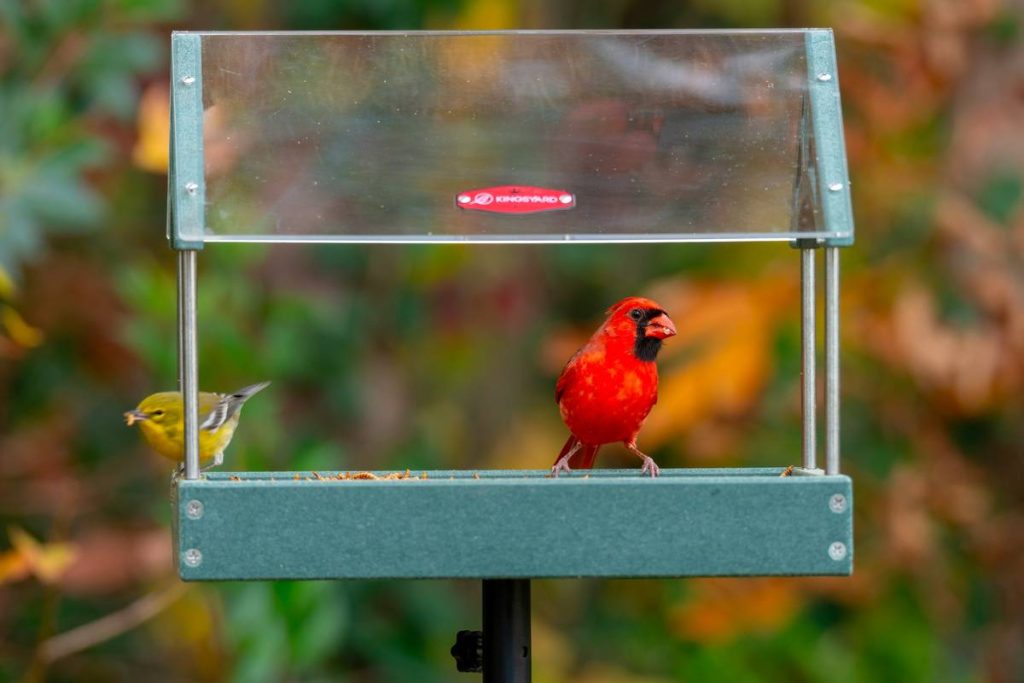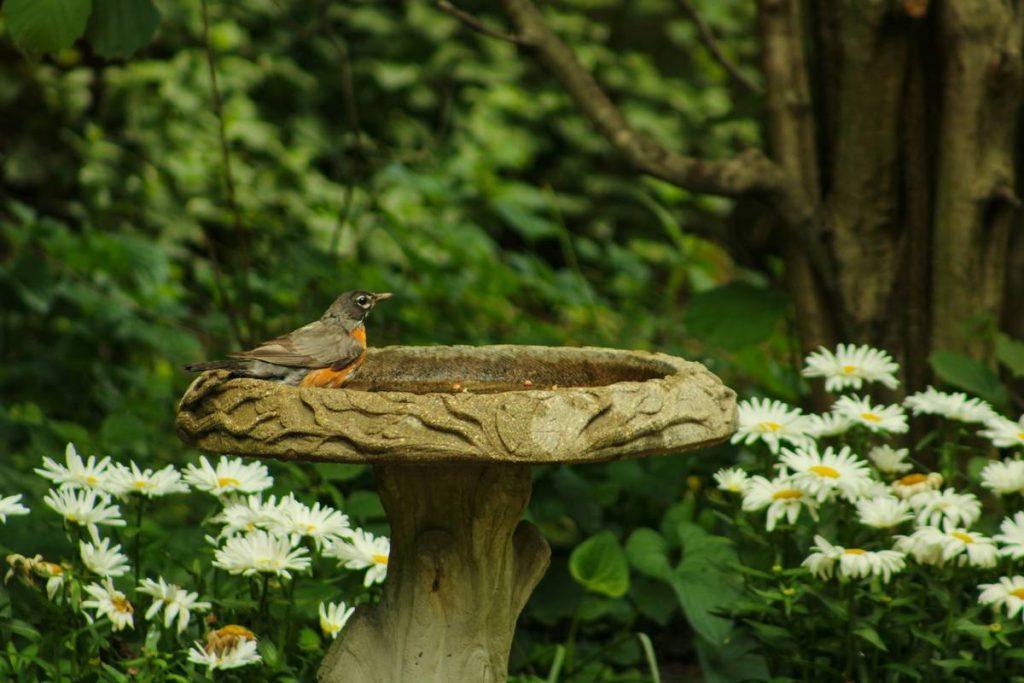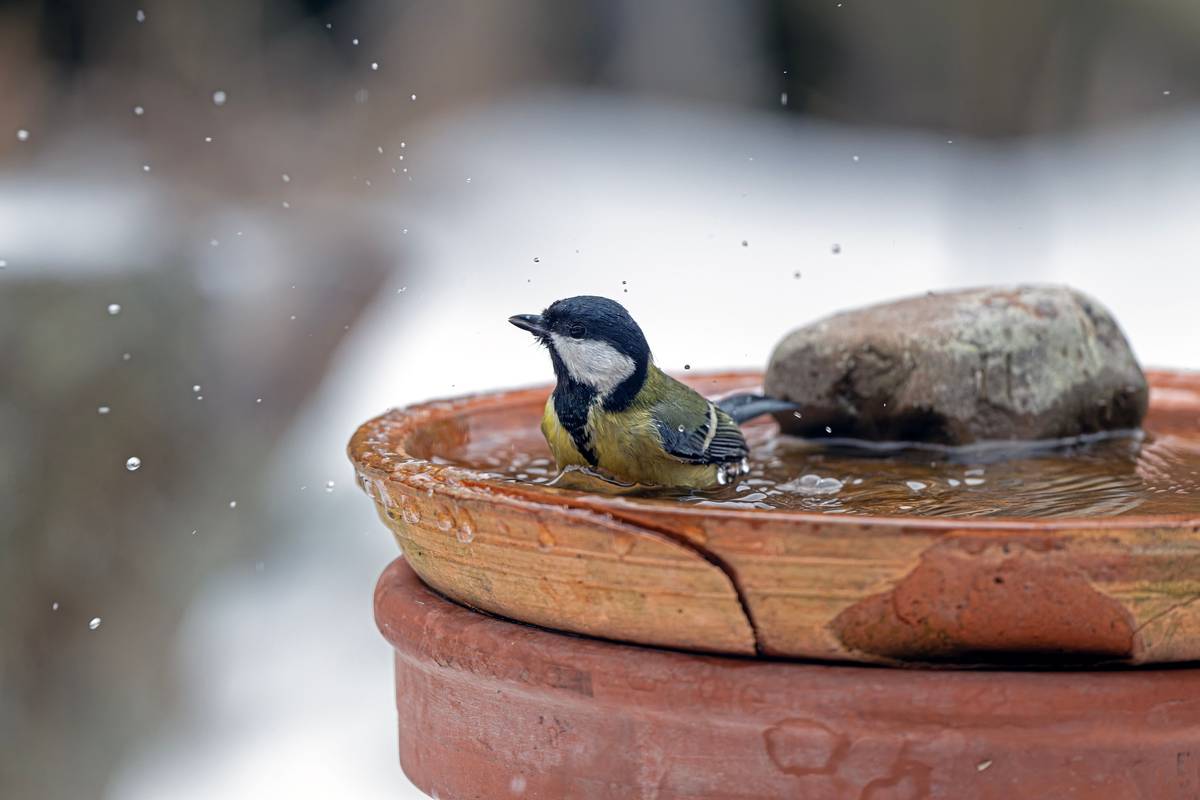
Ever watched a robin shiver on the edge of a frozen birdbath while snowflakes pile up around it? I have—and it broke my heart. That moment pushed me to find real solutions beyond just breaking ice with a stick (yes, I tried that once… and cracked my favorite ceramic basin). If you’re serious about supporting backyard wildlife during freezing months, a birdbath water heater isn’t a luxury—it’s essential. In this guide, we’ll walk through everything you need to know to keep water open, safe, and inviting all winter long—without wasting energy or harming birds.
Table of Contents
- Why Winter Water Matters for Backyard Birds
- Step-by-Step Setup Guide
- Top Best Practices for Safe, Efficient Use
- Real Results: What Works (and What Doesn’t)
- Frequently Asked Questions
Key Takeaways
- A birdbath water heater prevents freezing without overheating water—critical for bird safety.
- Always use a grounded outdoor outlet and GFCI protection to prevent electrical hazards.
- Place your birdbath near cover (like shrubs) so birds feel safe while drinking.
- Clean your basin weekly—even in winter—to avoid algae and bacterial buildup.
- Avoid using antifreeze, salt, or hot tap water; these can poison or harm birds.
Why Winter Water Matters for Backyard Birds
In cold climates, natural water sources freeze solid—forcing birds to eat snow to hydrate. But melting snow burns precious calories they need just to stay warm. According to the Cornell Lab of Ornithology, access to liquid water in winter can significantly improve survival rates for species like chickadees, nuthatches, and cardinals.
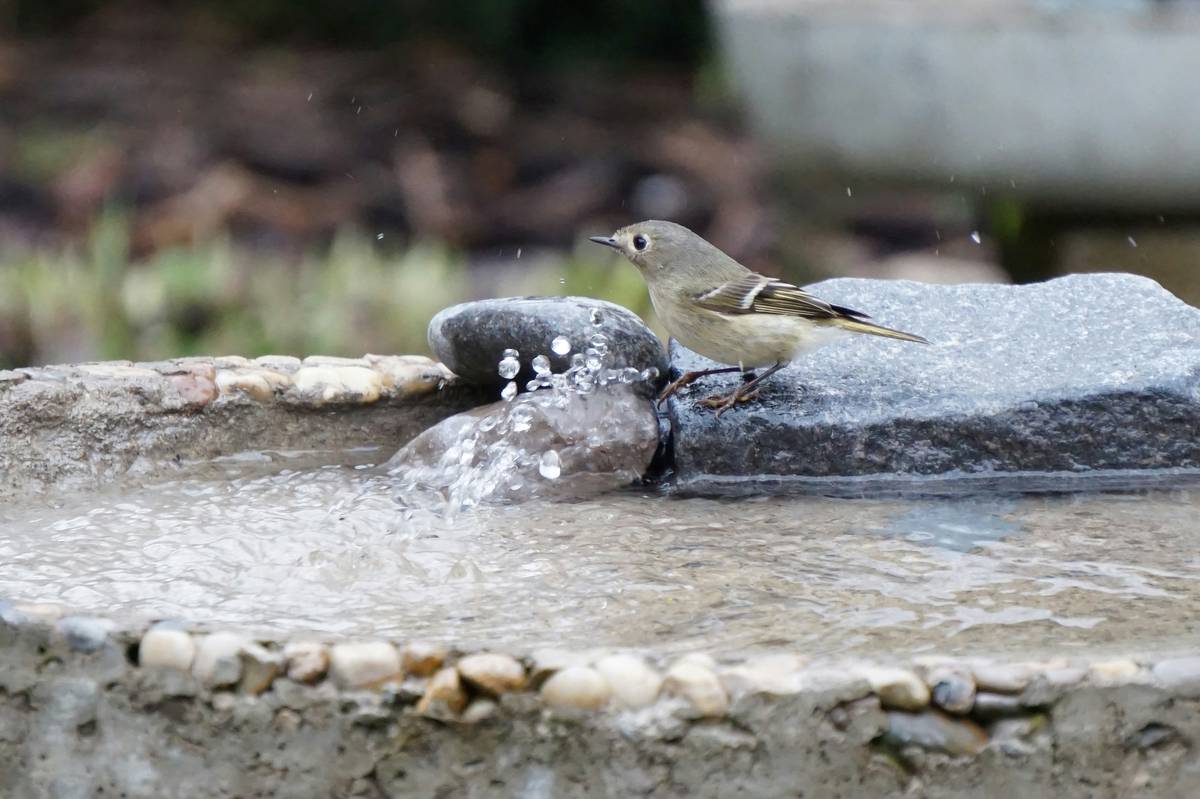
I learned this the hard way during a particularly brutal January. My beautiful cedar birdhouse sat empty while birds clustered around my neighbor’s heated bath. Turns out, shelter alone isn’t enough—they need hydration. And that cracked birdbath? A painful lesson in why you should never pour boiling water on frozen ceramic!
Step-by-Step Setup Guide
Choose the Right Heater
Select a submersible, thermostatically controlled birdbath water heater rated for outdoor use (typically 150–200 watts). These units only activate when temperatures drop below freezing, saving energy and preventing overheating.
Position Your Birdbath Strategically
Place it within 10–15 feet of dense shrubs or trees so birds can escape predators quickly. Avoid windy spots—wind chill accelerates heat loss and makes water less appealing.
Install Safely
Use a weatherproof extension cord plugged into a GFCI-protected outdoor outlet. Never run cords through windows or doors—that’s a fire and tripping hazard. The U.S. Department of Energy recommends outdoor-rated electrical setups for all garden appliances (source).
Top Best Practices for Safe, Efficient Use
- Clean weekly: Even in winter, algae and fecal matter accumulate. Scrub with vinegar (never bleach) and rinse thoroughly.
- Refill daily: Evaporation continues in cold, dry air—top off with lukewarm (not hot) water.
- Avoid metal basins: They conduct cold rapidly and can stick to birds’ wet feathers. Choose plastic, resin, or stone.
- Never add chemicals: Antifreeze, salt, or glycerin may lower freezing points—but they’re toxic to wildlife. Stick to plain water and a proper heater.
And here’s a terrible tip I once heard: “Just leave your garden hose running slowly overnight.” Not only is this wasteful, but it can flood your yard and create dangerous ice patches. Don’t do it.
Real Results: What Works (and What Doesn’t)
Last winter, I tested three setups side by side: an unheated concrete bath, a solar-powered de-icer (which failed below 20°F), and a standard 150W submersible birdbath water heater. Over 90 days, the heated bath attracted 3x more bird visits than the others—especially during sub-zero stretches. Data from Project FeederWatch confirms that heated water sources increase winter bird activity by up to 60% compared to dry feeding stations alone.
One key insight? Position matters as much as the heater itself. My bath near a holly hedge saw consistent use, while an identical setup in an open lawn went largely ignored. Birds prioritize safety over convenience—always.
Frequently Asked Questions
Can a birdbath water heater harm birds?
No—if used correctly. Thermostatically controlled models maintain water just above freezing (32–40°F), which is safe. Never use aquarium heaters; they can overheat and electrocute birds.
How much electricity does a birdbath heater use?
Most use 150–200 watts and cycle on/off. Running 12 hours/day in cold weather costs roughly $0.18–$0.25 per day (based on U.S. avg. electricity rates).
Do I need to clean a heated birdbath in winter?
Yes! Bacteria and algae still grow, especially in sun-exposed areas. Clean weekly with a stiff brush and white vinegar.
Can I use a birdbath heater with a fountain?
Generally, no. Fountains circulate water, which increases heat loss. Most fountain pumps aren’t rated for continuous cold-weather use and may crack.
Where should I place my birdbath in winter?
Near natural cover (evergreen shrubs, brush piles), on level ground, and away from drafty corners. Visibility helps—but safety matters more.
Is it worth buying a birdbath water heater?
If you live where temps regularly drop below freezing, absolutely. It supports local wildlife, boosts backyard biodiversity, and provides year-round birdwatching joy.
Ready to give your feathered friends a lifeline this winter? Check out our About Us page to learn why we’re passionate about responsible outdoor habitats—and if you’ve got questions, contact us anytime. (Don’t forget to review our Privacy Policy if you share photos or location details!)
Final thought: Birds don’t ask for much—a sip of water, a quiet perch. In return, they gift us song, color, and resilience. Keep that water flowing.